Spray Foam Insulation Mobile AL
Spray foam insulation for Mobile-area homes, offices, commercial buildings, shipping container projects, attics, and roof areas, with Gulf Coast humidity and storm-season exposure in mind.
- Insulation plus air control. Address gaps and irregular spaces where air movement can create comfort problems.
- Moisture-aware planning. Evaluate humidity, ventilation, existing materials, and the building assembly before choosing foam.
- Estimate-led scope. Identify the area, foam type, access, prep, and thickness before work begins.
Request Your Insulation Estimate
Tell us what you need insulated.
Your information is used only to respond to your request.
Spray Foam Solutions for Gulf Coast Properties
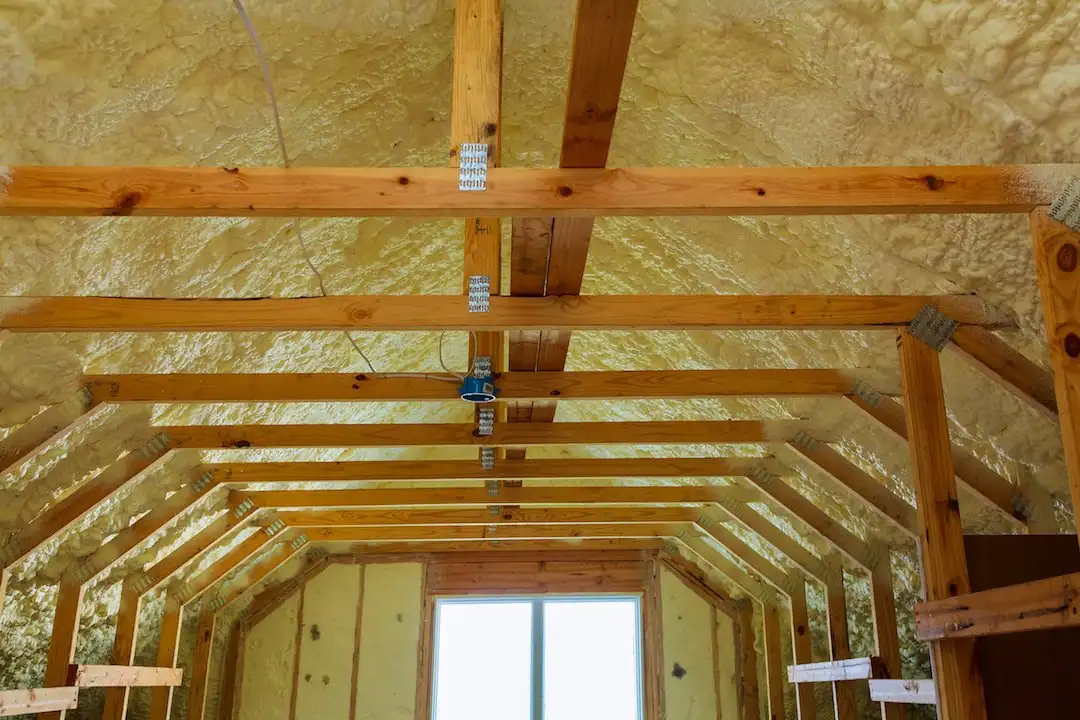
We install spray foam for residential, commercial, industrial, existing-home, new-construction, attic, roof, shipping-container, and special-project needs.
Spray Foam Insulation
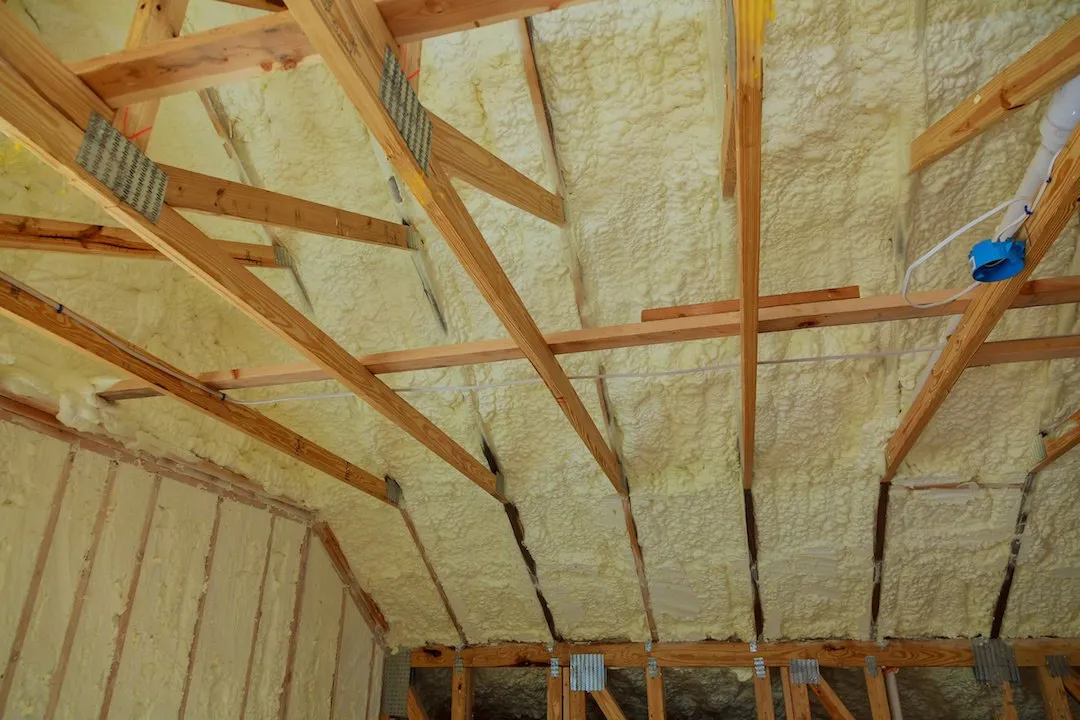
Open-cell and closed-cell spray foam for homes, offices, commercial spaces, and specialty structures.
Explore Service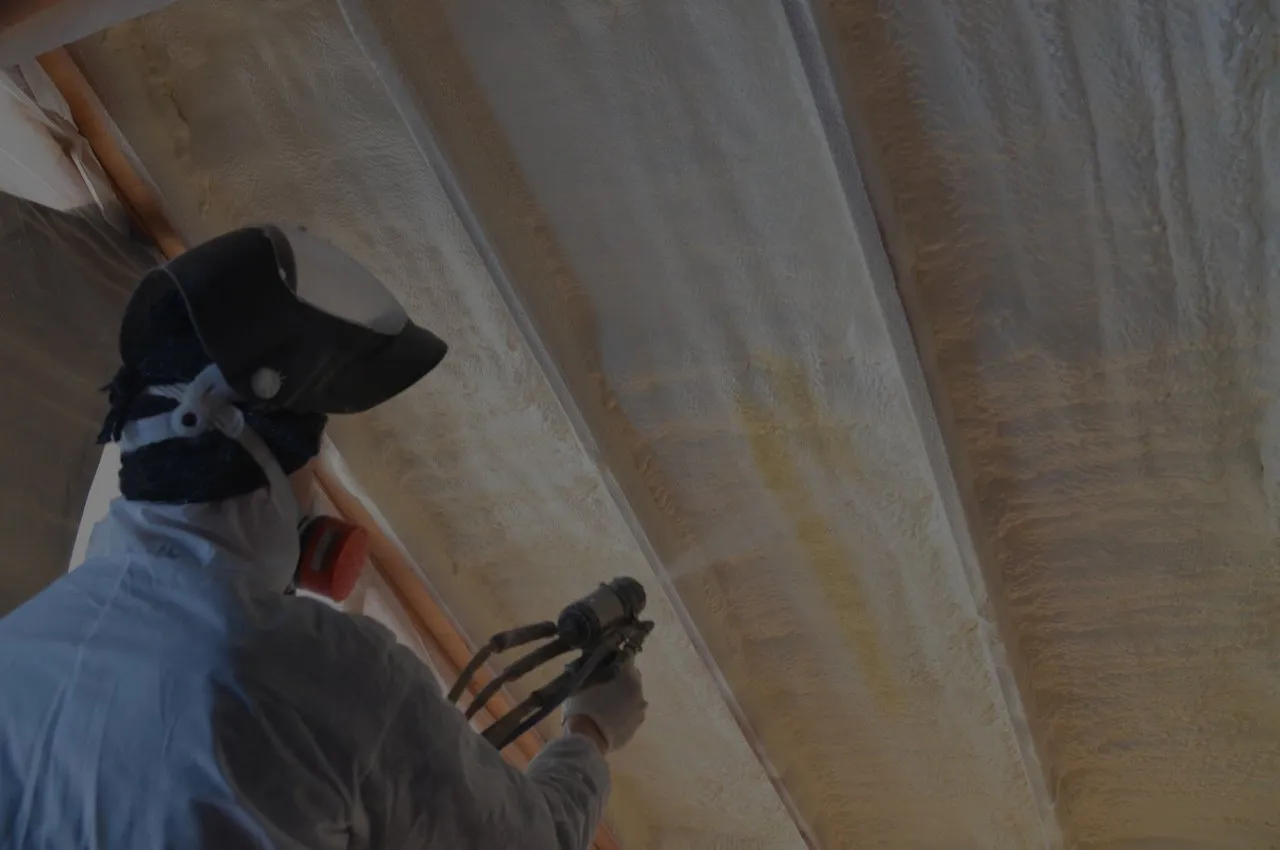
Residential Spray Foam
Existing homes, new homes, attic areas, roof areas, additions, and retrofit insulation conversations.
Explore Service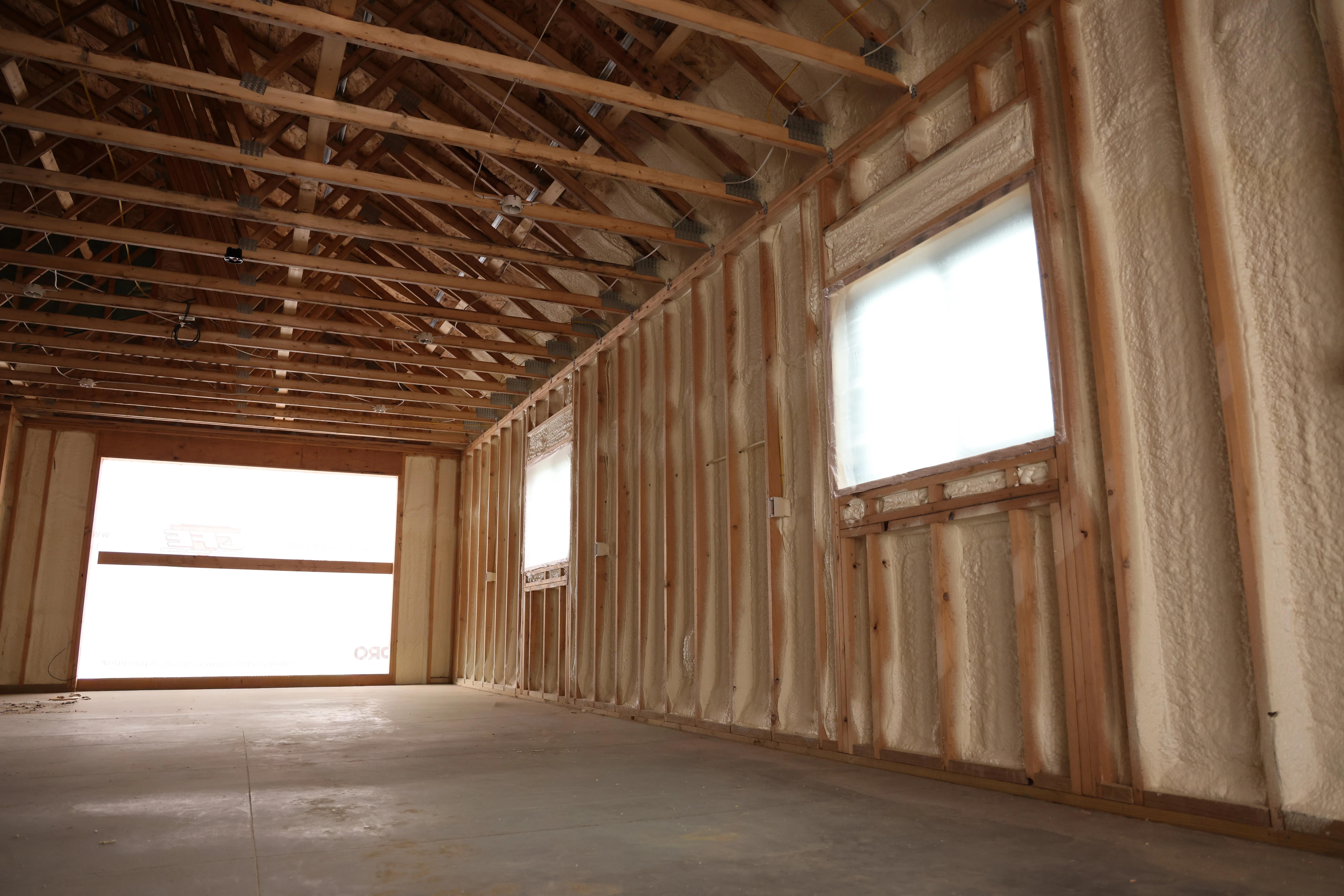
Commercial Spray Foam
Spray foam for offices, condominiums, warehouses, and larger building assemblies.
Explore Service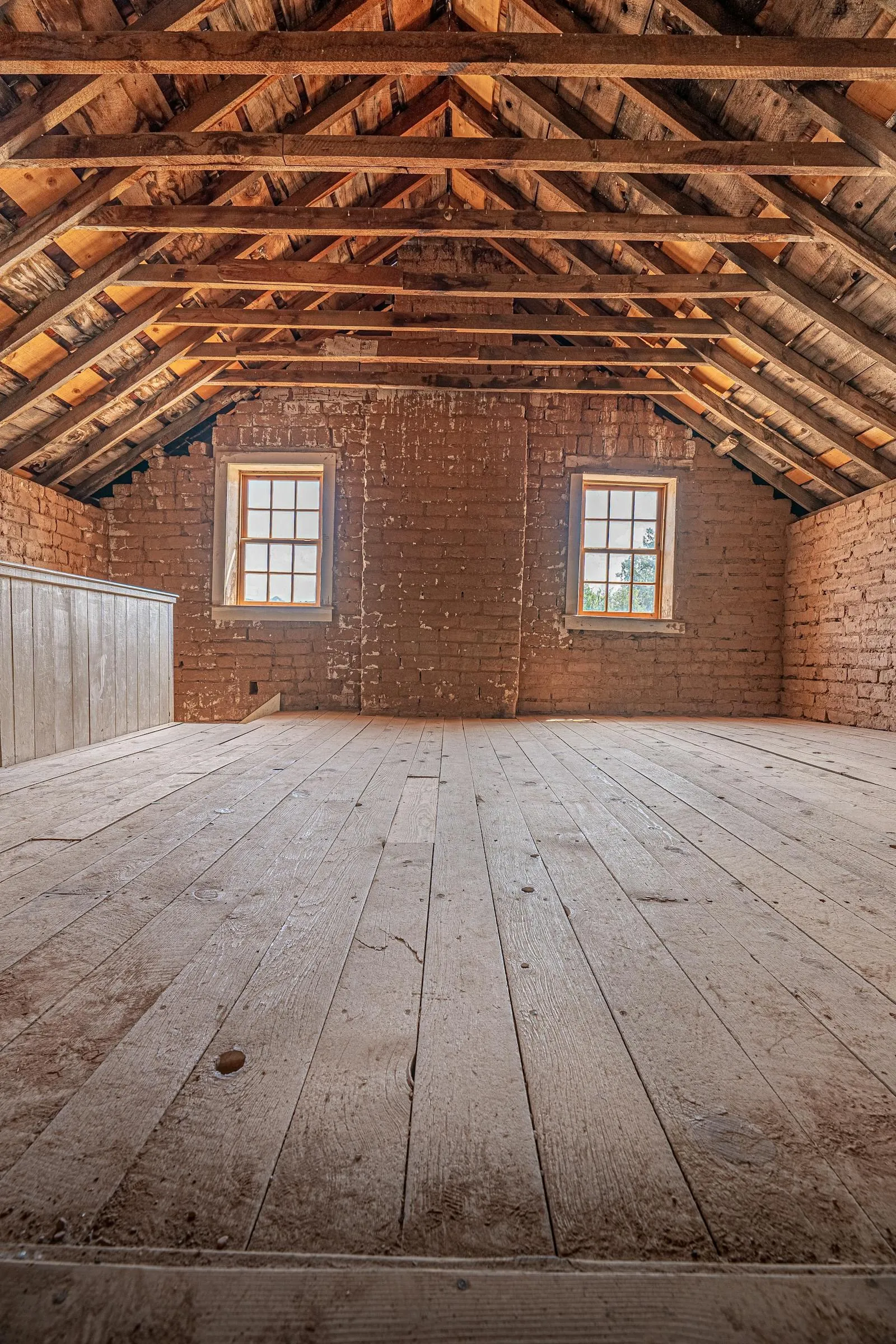
Attic and Roof Insulation
A practical look at attic and roof areas where heat, air movement, and moisture strategy meet.
Explore ServiceGulf Coast Buildings Have a Moisture Problem Before They Have a Foam Problem
Mobile-area insulation work is shaped by humid air, long cooling seasons, heavy rain, and hurricane-season weather. The question is not only how much insulation goes in. It is where the building needs air control, how the assembly dries, and what existing materials are already doing.
Roof and attic heat, commercial energy use, open-cell and closed-cell options, and moisture concerns all deserve a project-specific conversation.
Learn when spray foam makes sense, or see the Baldwin County insulation contractor page for Gulf Coast hiring questions.

You Do Not Need to Diagnose the Building First
Tell Us the Property Type
Home, office, warehouse, shipping container, attic, roof area, new construction, or another project.
Explain the Area
Share what you want insulated and what problem you are trying to solve.
Review the Assembly
The foam type and scope should follow the building conditions, access, and moisture strategy.
Confirm the Scope
The estimate should make the area, material, and assumptions clear before work begins.
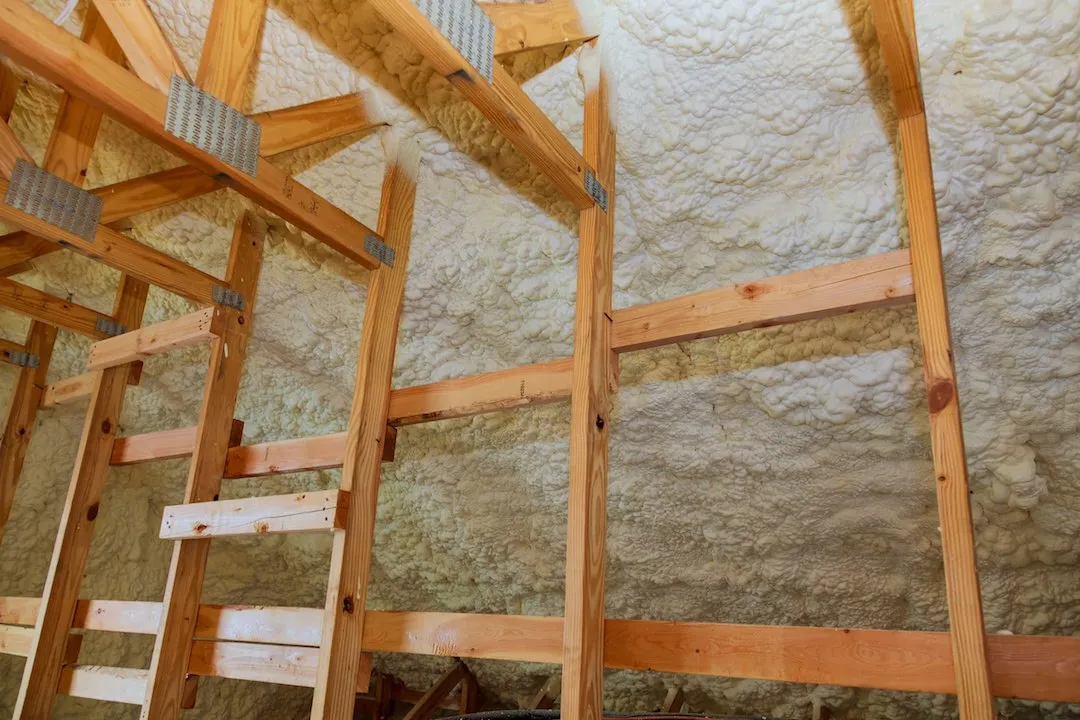
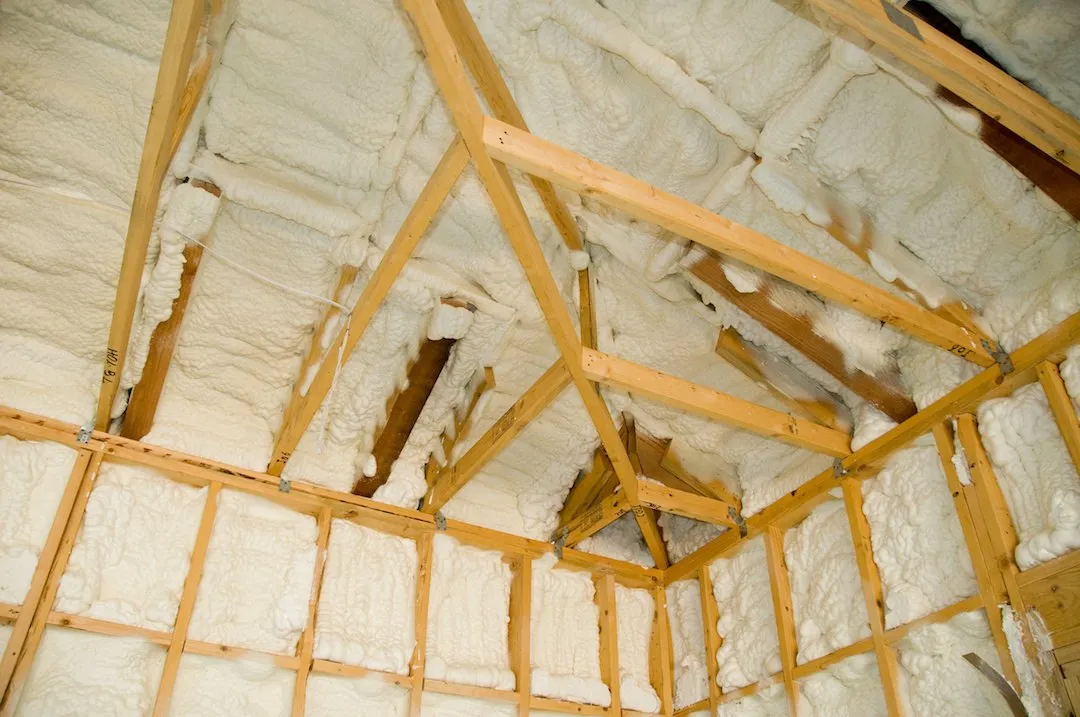
Project Types We Discuss
Spray foam work can involve homes, larger structures, attic or roof areas, and specialty projects that need a careful look at the assembly.

Spray Foam Insulation FAQ
Do you install spray foam insulation in Mobile, AL?
Yes. Spray Foam Insulation Mobile serves Mobile, Mobile County, Baldwin County, and the Alabama Gulf Coast with residential and commercial spray foam insulation.
Do you work on existing homes and new construction?
Yes. We discuss spray foam for current homes, new homes, offices, commercial buildings, and special projects. The right scope depends on the area being insulated and the building assembly.
Do you offer open-cell and closed-cell spray foam?
Yes. Open-cell and closed-cell foam serve different roles, so the estimate should account for location, access, moisture strategy, and project goals.
Why does Gulf Coast humidity matter for spray foam?
High humidity, heavy rain, and hurricane-season exposure make air movement and moisture behavior important. Spray foam should be evaluated as part of the whole building envelope.
How much does spray foam insulation cost?
Every project is unique. Cost depends on foam type, area size, access, prep, thickness, and project conditions, so pricing should start with an estimate.
How do I request an estimate?
Use the request-estimate form or call 251-220-7484. You do not need to know the foam type before reaching out.
Ready to Upgrade Your Insulation?
Call today or send the project details through the request-estimate page.
Mobile AL • Baldwin County • Gulf Coast moisture-aware planning